Additional information
| Artista | Kepa Garraza |
|---|



| Artista | Kepa Garraza |
|---|
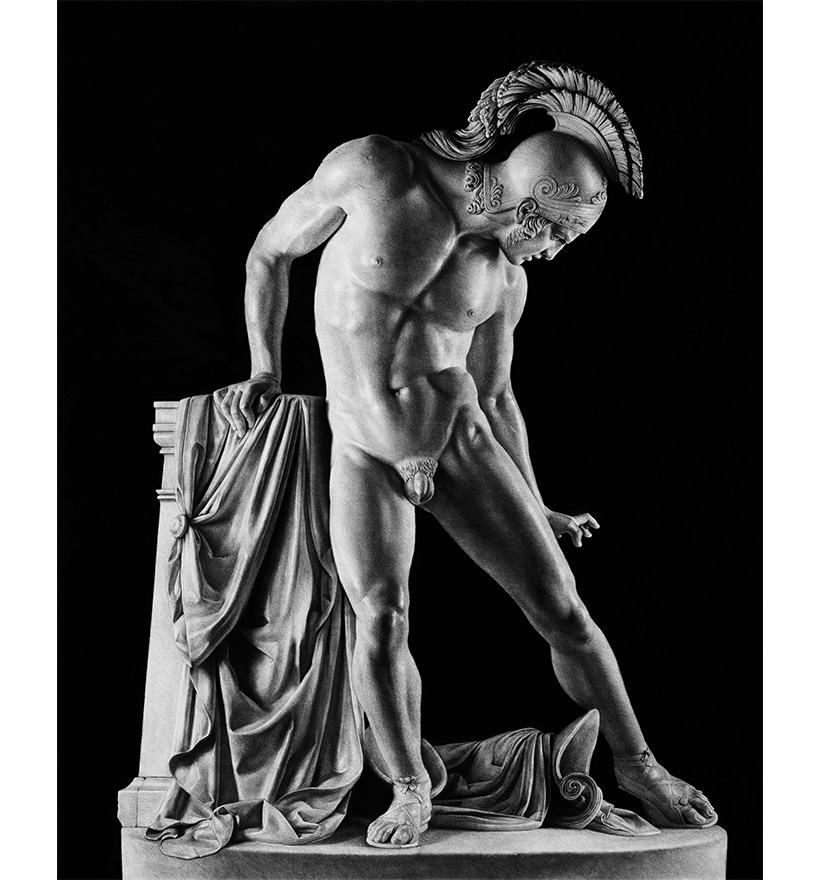
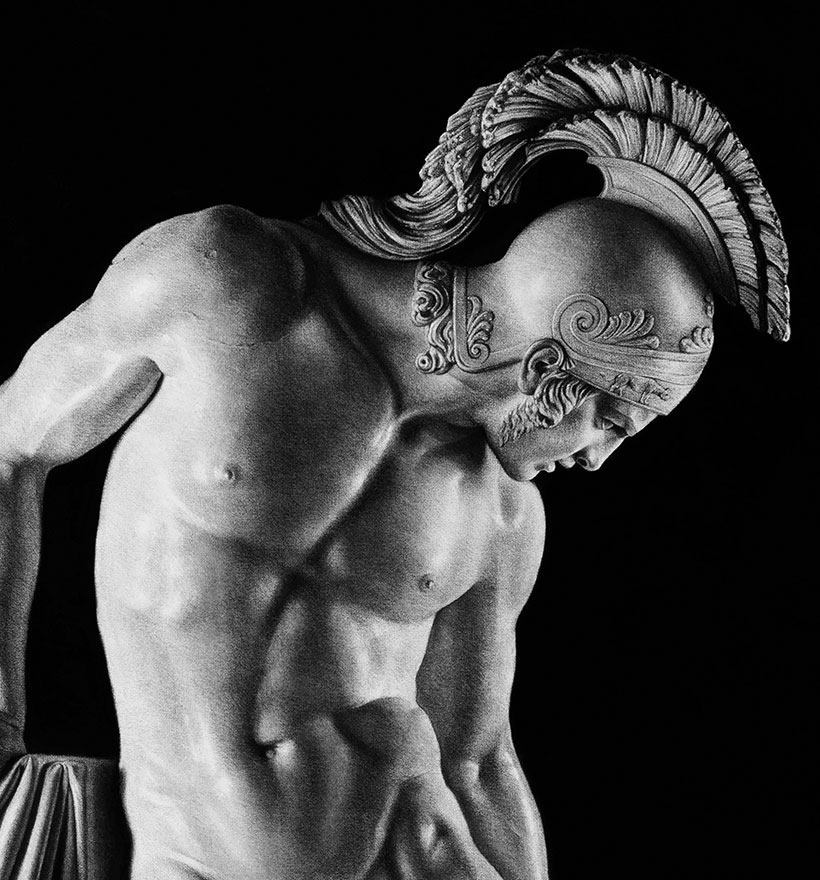
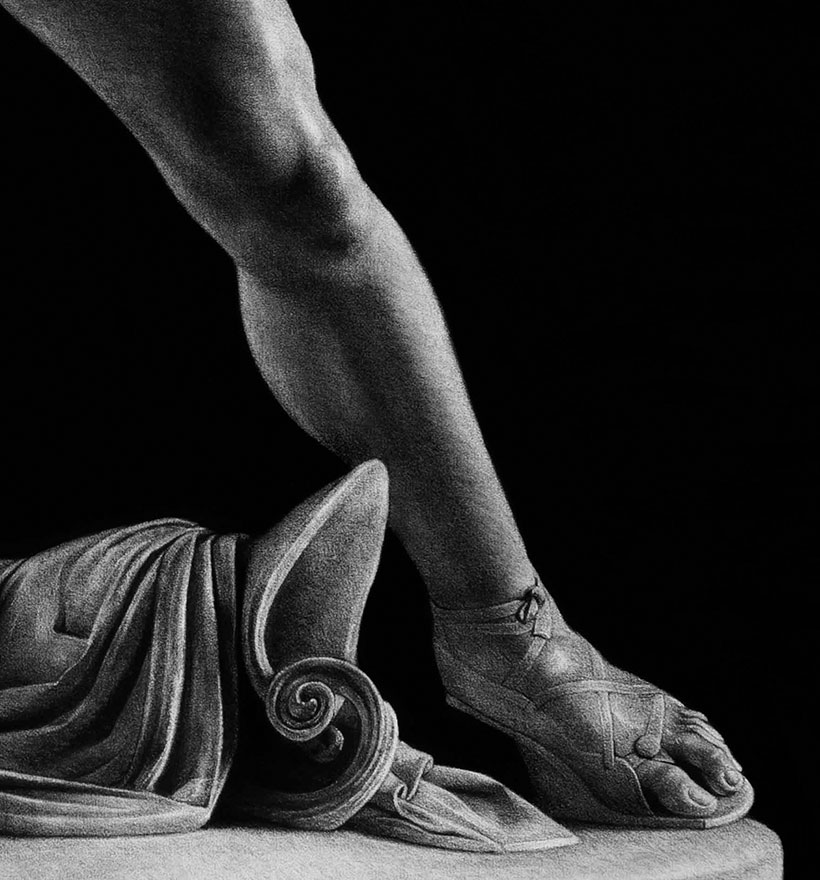
WAR is a new series of works conceived as a project of critical analysis on the representations of war and its effects on contemporary societies. Through a plurality of approaches, this series examines both the narratives that glorify conflict —operating from propaganda or patriotic exaltation— and those that approach it from its most devastating dimensions: human suffering, material destruction and collective trauma.
The project arises in a context marked by a growing inclination towards warmongering discourses and practices, driven by the reconfiguration of the international order towards a multipolar system and by the intensification of geopolitical tensions. This situation, unprecedented in recent decades, points to a sustained process of rearmament and the normalization of the rhetoric of confrontation. The implications of this scenario could lead to armed conflicts whose consequences, far from being mere hypotheses, are increasingly foreseeable.
The series not only addresses the representation of war from a contemporary perspective, but also proposes a dialogue with the past, focused on analyzing how armed conflicts and their consequences have been represented throughout history. If we go back to the ancient world, we find that war was conceived and represented as a heroic act, an opportunity to demonstrate virtue and courage, and not only as a means to exercise military hegemony or humiliate the enemy. This heroic approach evolved over time, adapting to different historical contexts: sometimes from a religious perspective, other times from a patriotic or territorial defense perspective.
It was not until the First World War that the representation of war became massively critical. Writers, artists and filmmakers began to portray it as an absurdity, a nonsense, a ruthless machine that crushes bodies and souls. The voices of traumatized soldiers and displaced civilians then emerge, revealing the immense destructive power of modern warfare. This effect is further intensified by the devastating consequences of World War II: the killing fields, the genocide and the use of nuclear bombs on Japan.
Today, after more than 80 years without a conflict of direct confrontation between great powers, the representation of war oscillates between denunciation and spectacle, between trauma and digitized glory. The war narrative is multiplying, fragmenting and digitizing. From the screen of a cell phone, it is possible to see in real time bombings, refugee displacements and testimonies of soldiers or civilian victims. War is no longer narrated exclusively by governments or traditional media, but also by those who live it from the inside, often with a phone in hand. This decentralization narrative offers new perspectives, closer and cruder, but also easily manipulated.
In recent years, this warmongering rhetoric has resurfaced with a vengeance. As I mentioned when introducing this series, the emergence of a multipolar governance system has intensified tensions between the main global players. A competition has begun that not only involves a process of rearmament, but also the implementation of a war narrative that is constantly present in our reality. Factors such as the struggle for scarce natural resources or the creation of new zones of political influence seem to lead us to a scenario that is eerily reminiscent of the rearmament of Europe in the 1930s XX century. A process where war is presented as something inevitable to defend against a bellicose, but largely undetermined enemy. My intention of this new series is to generate a body of work that allows us to reflect on the dangerousness of these bellicose discourses, not only from a current perspective, but establishing a dialogue with the past. Far from any heroic romanticism or media trivialization, this project proposes a look that deactivates the glorifying fictions of conflict and reminds us that war, ultimately, is synonymous with death, suffering and irreparable destruction.
— Kepa Garraza.


